


LSE Summer School '26 with Yoan Krastev
October 3rd, 2026 News
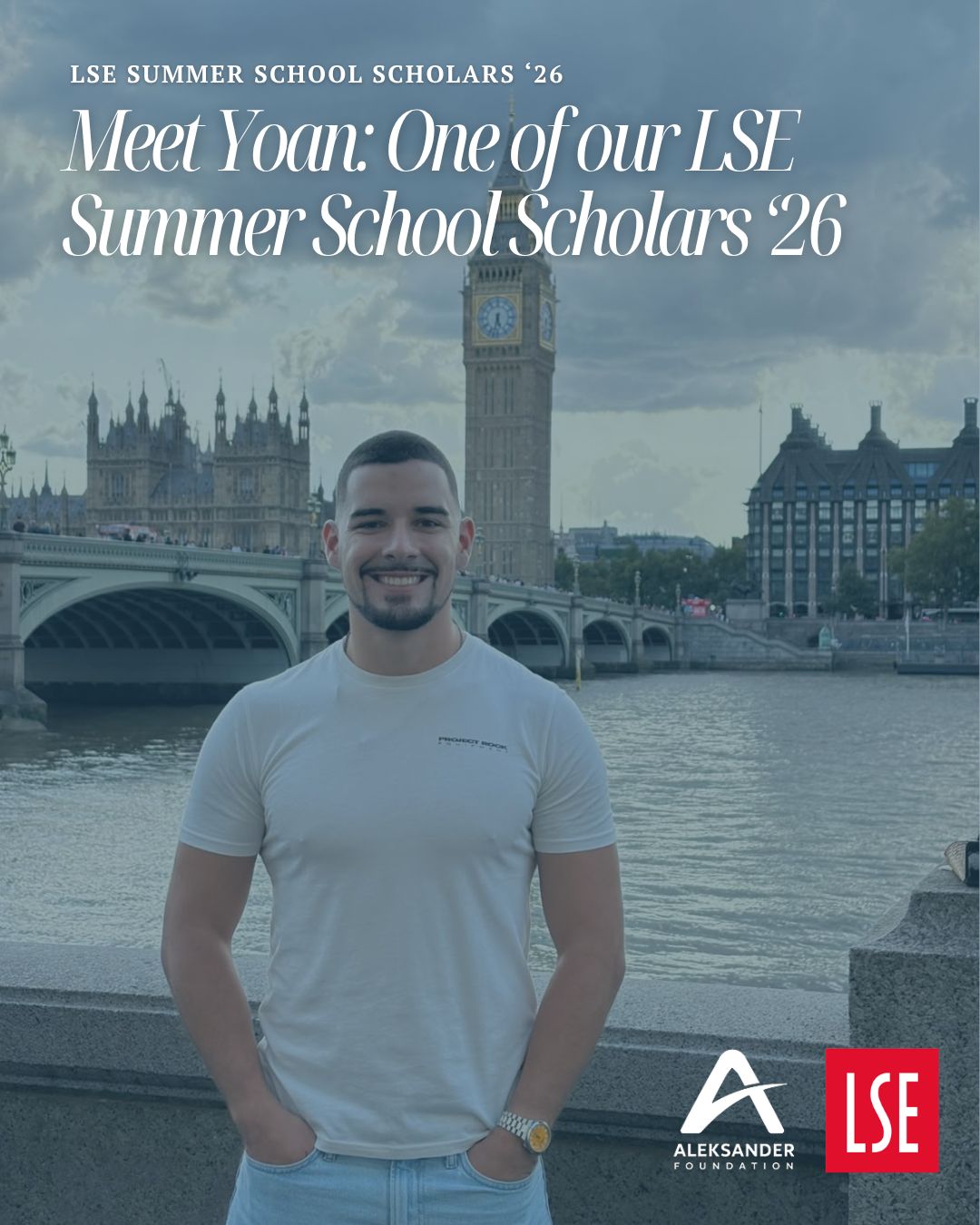
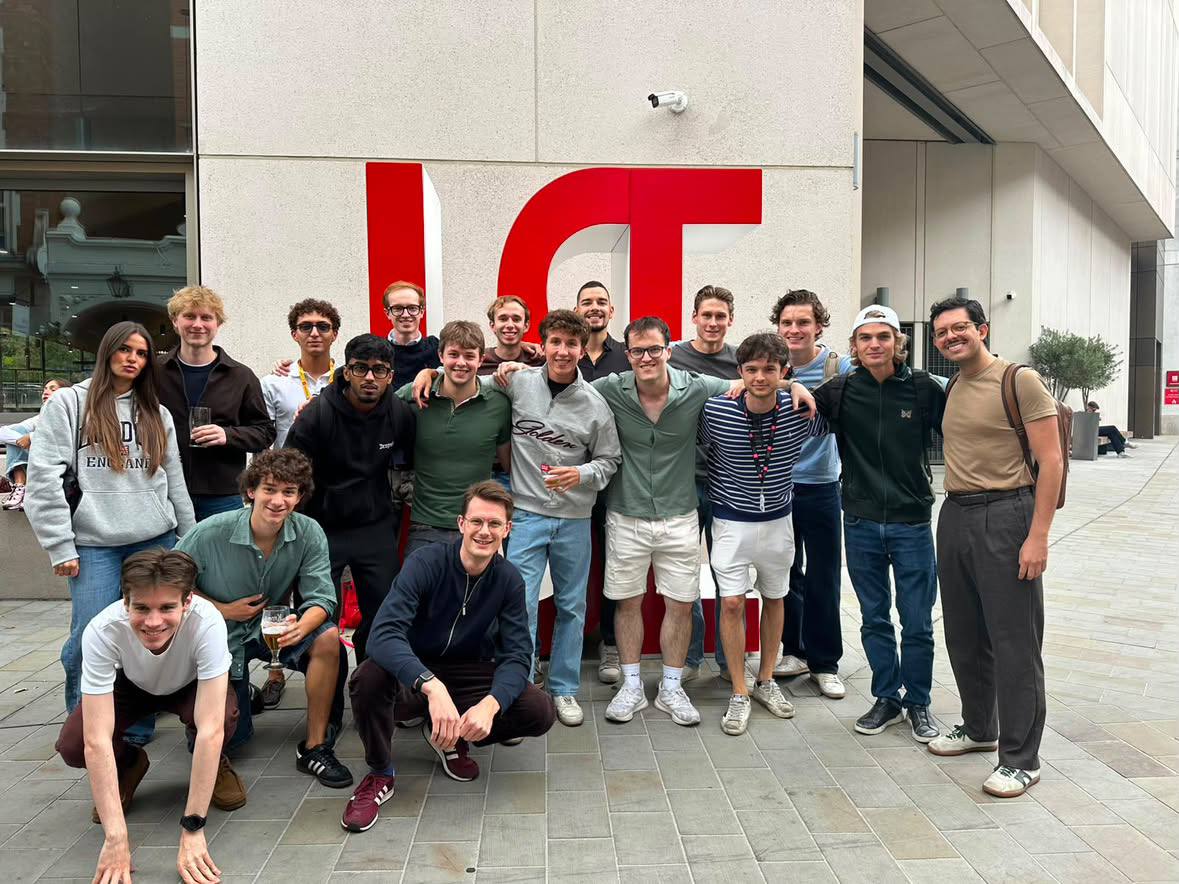
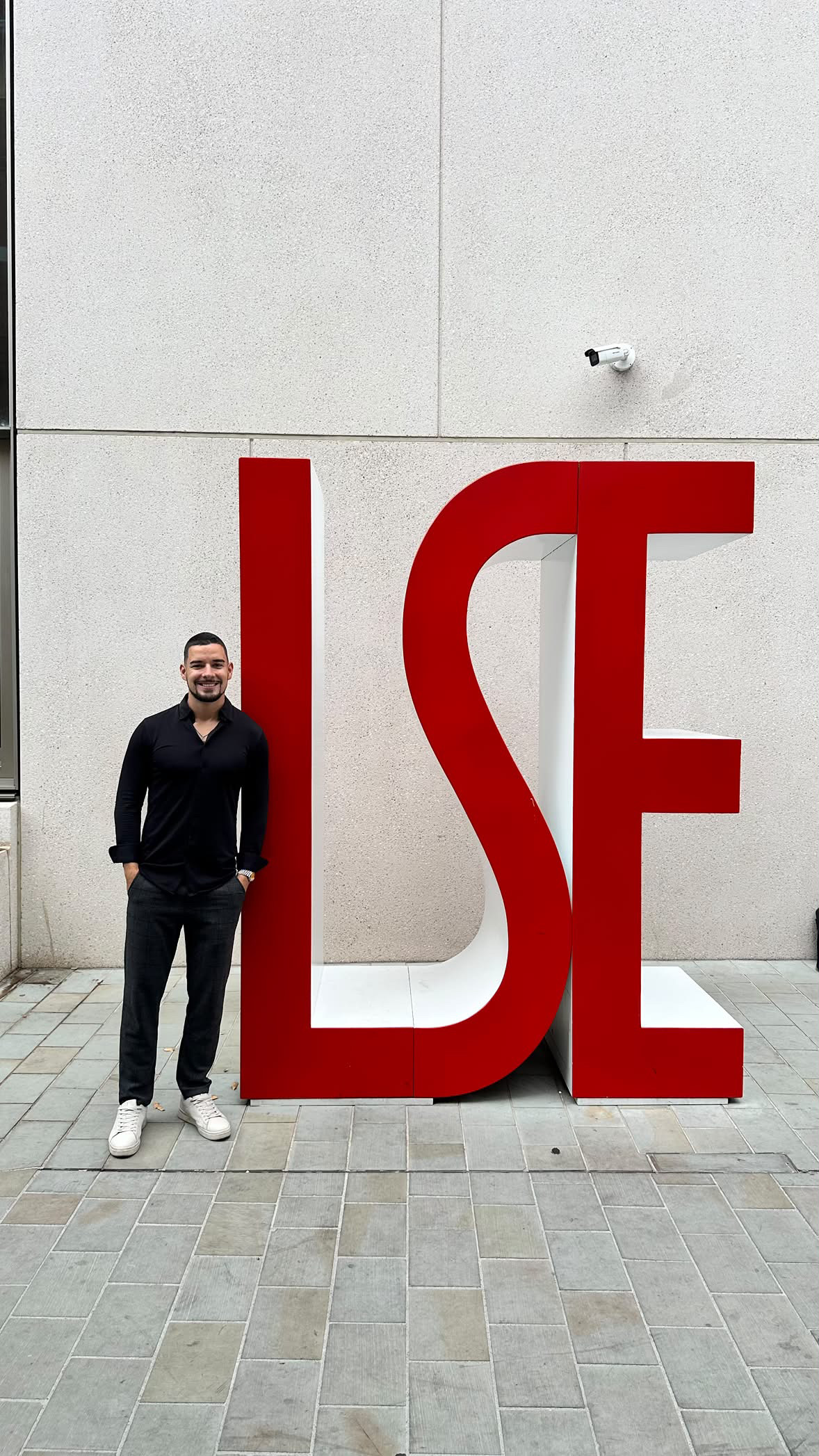


Yoan Krastev reflects on his LSE Summer School experience, from studying machine learning and stochastic simulation to discovering new perspectives through an international community. Read about his academic journey, life in London, and advice for future LSE scholarship applicants.
Our Scholar
My name is Yoan Krastev. I graduated earlier this year from a double Master's programme, in International Financial Management at Sofia University and an MBA at Université de Bordeaux. Alongside my studies, I look for opportunities beyond the classroom, such as Erasmus projects, scholarship competitions and courses like this one.
Professionally, I work as a Risk & Quant Consultant at FactSet, where I help institutional clients and asset managers manage investment risk across their asset universe. My work includes applying our proprietary risk models, validating analytics across asset classes, analysing multi-asset portfolios, and tailoring risk solutions to clients with different levels of technical expertise. Outside work, I like to run, travel, and read about philosophy and psychology.
A Glimpse Into a Typical Day of an LSE Summer Scholar
Each day began with a short commute to LSE's Central Building. I tried walking, the bus and cycling, and cycling won. It made me feel like a Londoner rather than a visitor. Breakfast with my course peers was where the conversation started, and we usually swapped whatever was on our minds before class.
Mornings were class sessions. The teaching assistant showed how the algorithms from the lectures work in practice, then set problems for us to solve, sometimes in groups and sometimes alone. After a quick lunch on the rooftop terrace, with a bit of luck under some rare London sun, we returned for the lecture. Our professor's interactive style kept the sessions engaging from start to finish. Once the theory was covered, we moved straight into real industry use cases, which showed what the machine learning models could do in practice.
What we did after the lecture depended on how close the exam was. Casual conversations with peers gradually turned into library study sessions. Studying in groups and comparing how each of us understood the material helped me more than anything else.
Academic Perspective & Course Application
The course was ME319: Machine Learning and Stochastic Simulation, which applies modern statistical and machine learning methods to problems in finance, risk management and insurance. It covers topics such as Monte Carlo simulation, generative models and neural networks, with hands-on coding in Python.
Although the summer school is not a full degree, LSE on a CV carries weight with employers. For students earlier in their studies, it can also strengthen an application to a competitive Master's programme, and the professor was open to writing recommendation letters for top performers. The demanding curriculum is also a good way to test whether a field is right for you before committing to it.
For me, the value was different. After working in risk, I had come across several of these concepts at work without a solid theoretical grounding in them. Neural networks were what stayed with me most. I was struck by how many different ways there are to build them and how many problems they can be applied to. The course gave me a foundation to keep exploring on my own.
Cultural Immersion & Social Experiences
The summer school offers much more than lectures. There are run clubs, walking tours, guest lectures and day trips, and they were the easiest way to meet students from other courses.
I joined a walking photography tour through some of London's best-known spots. The photographer's advice was to look for authenticity in every frame, and when shooting a place everyone has photographed before, to push for a creative, unique take instead of the postcard shot. It's advice that applies well beyond photography. I also attended a SPARK event on figuring out your path in life and what you actually want to do.
My Advice for future applicants
Start with the prerequisites on LSE's website. This course expects some calculus, probability and statistics, and Python, so refresh those before you arrive. The material moves fast, and the first midterm comes sooner than you'd expect, so you won't have much time to catch up between days. It also helps to think about where you intend to apply what you learn, because that makes the material easier to absorb.
Once you're there, make the most of the people around you. Your classmates will come from very different backgrounds with very different plans, and hearing how they think about their paths may make you question a few of your own assumptions. The summer school is a chance to put yourself in a new environment, meet ambitious people from around the world, and test yourself at one of the leading universities.


See also

LSE Summer School '24 Reflection with Eneya Georgieva
This year's LSE Scholar - Eneya Georgieva - shares her first-person perspective on a challenging, yet rewarding summer in London. Read more about Eneya's journey of Learning, Growth, and Connection!
Read more
Bulgarian Futures Scholarship: The Aleksander Foundation x CEU
The Aleksander Foundation and the Central European University are proudly announcing their newest collaboration - the Bulgarian Futures Full Scholarship for Bulgarian master's students at CEU!
Read more